Cellular respiration process diagram images are ready in this website. Cellular respiration process diagram are a topic that is being searched for and liked by netizens now. You can Get the Cellular respiration process diagram files here. Find and Download all royalty-free images.
If you’re looking for cellular respiration process diagram pictures information linked to the cellular respiration process diagram keyword, you have visit the right blog. Our website always provides you with suggestions for downloading the maximum quality video and picture content, please kindly hunt and find more informative video articles and images that fit your interests.
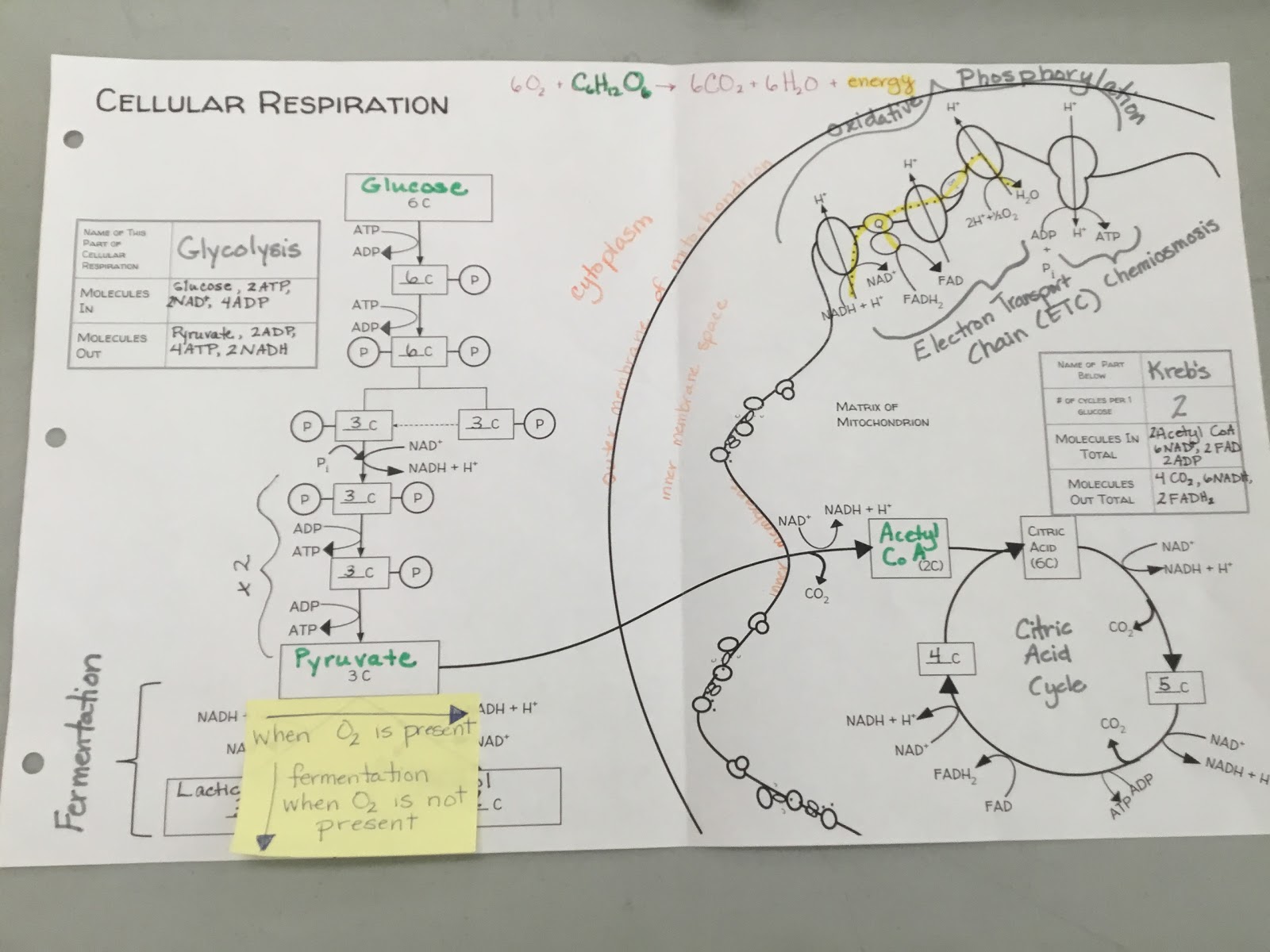
Cellular respiration is carried out by every cell in both plants and animals and is essential for daily living. It is the process of cellular respiration that takes place in the presence of oxygen gas to produce energy from food. Respiration is of two types, aerobic respiration, and anaerobic respiration. When a molecule of glucose undergoes aerobic cellular respiration, 36 molecules of atp are produced. The cellular respiration can be classified into two types, depending upon the availability of oxygen:
Cellular Respiration Process Diagram. It is the process in which the oxidation of glucose takes place in the absence of. Linear process template using flowchart objects. The process of cellular respiration is a very complex reaction that involves many enzymes, coenzyme, and molecules. The net gain of atp molecules is less in anaerobic respiration than in aerobic respiration which set of terms best identifies the letters in the diagram below.
 Overview of the major steps of Cellular Respiration From pinterest.com
Hence, the main objective of this stage is to use the pyruvates to produce more atp. It can also be exported to other cells within the organism. Linear process template using flowchart objects. Photosynthesis and cellular respiration are two processes that enable efficient cellular functioning which in turn enables. Amount of atp broken down from 1 sugar molecule during the 3 step process of cellular respiration. Cellular respiration has 4 distinct processes, which drive the creation of atp.
Cellular respiration has 4 distinct processes, which drive the creation of atp.
It includes glycolysis, the tca cycle, and oxidative phosphorylation. Use creately’s easy online diagram editor to edit this diagram, collaborate with others and export results to multiple image formats. It is the process in which the oxidation of glucose takes place in the absence of. The process occurs in two phases: Photosynthesis and cellular respiration characteristics. In this process, molecules of water and carbon dioxide are released as waste products.
 Source: pinterest.com
It involves the splitting of pyruvic acid (produced by glycolysis) into carbon dioxide and water, along with the production of adenosine triphosphate (atp) molecules. Extracting those nutrients necessary to keep us going and then converting them into useable energy is the job of our cells.this complex yet efficient metabolic process, called cellular respiration, converts the energy derived from sugars, carbohydrates, fats, and proteins into adenosine triphosphate, or atp, a high. Hence, the main objective of this stage is to use the pyruvates to produce more atp. Cellular respiration metabolic reactions and processes that take place in the cells of organisms to convert biochemical energy from nutrients into adenosine triphosphate (atp), and then release waste products. We all need energy to function, and we get that energy from the foods we eat.
 Source: pinterest.com
Photosynthesis and cellular respiration characteristics. Thus, the total atp yield in the cellular respiration process is 36 or 38 atp molecules. The process of cellular respiration is a very complex reaction that involves many enzymes, coenzyme, and molecules. When a molecule of glucose undergoes aerobic cellular respiration, 36 molecules of atp are produced. Aerobic cellular respiration requires an adequate supply of.
 Source: pinterest.com
We all need energy to function, and we get that energy from the foods we eat. Which process is best illustrated by the diagram? Thus, the total atp yield in the cellular respiration process is 36 or 38 atp molecules. This type of respiration is common in most of the plants and animals, birds, humans, and other mammals. Hence, the main objective of this stage is to use the pyruvates to produce more atp.
 Source: pinterest.com
Explains molecular processes cells use to make energy in the presence of oxygen. But that energy is used to produce atp. Cellular respiration has 4 distinct processes, which drive the creation of atp. Likewise, “biological machines” also require well engineered parts and good energy source in order to work.perhaps the second most important molecule (dna is the first) is adenosine triphosphate (also known as atp).basically, atp serves as the main energy currency of the cell. It includes glycolysis, the tca cycle, and oxidative phosphorylation.
 Source: pinterest.com
4.9444 (18) vertical swimlane flowchart template with multiple ends. It is the process in which the oxidation of the carbohydrate molecule, glucose, takes place in the presence of oxygen. With a net gain of 2 atp only in the previous stage, that is ‘glycolysis’, there is the need to harvest more energy. The respiration can be aerobic, which uses glucose and oxygen, or anaerobic which uses only. We all need energy to function, and we get that energy from the foods we eat.
 Source: pinterest.com
So if i were to break down this energy portion of cellular respiration right there, some of it would just be heat. Likewise, “biological machines” also require well engineered parts and good energy source in order to work.perhaps the second most important molecule (dna is the first) is adenosine triphosphate (also known as atp).basically, atp serves as the main energy currency of the cell. With a net gain of 2 atp only in the previous stage, that is ‘glycolysis’, there is the need to harvest more energy. Covers location and the chemical steps of cellular respiration. Citric acid cycle as shown in figure shows release of co 2.
 Source: pinterest.com
It is the process in which the oxidation of the carbohydrate molecule, glucose, takes place in the presence of oxygen. Respiration is of two types, aerobic respiration, and anaerobic respiration. We all need energy to function, and we get that energy from the foods we eat. Cellular respiration is a set of biochemical reactions that takes place in most cells. Cellular respiration is the process through which cells convert sugars into energy.
 Source: pinterest.com
It can also be exported to other cells within the organism. Provide food for plants bacteria opposite reactions balance. Here through a simple process called photosynthesis, plants use sunlight to turn carbon dioxide and water into glucose. Usually involves breakdown of glucose to co 2 and water energy extracted from glucose molecule: Cellular respiration notes cellular respiration is the process by which food is broken down by the body�s cells to produce energy in the form of atp molecules.
 Source: pinterest.com
Cellular respiration notes cellular respiration is the process by which food is broken down by the body�s cells to produce energy in the form of atp molecules. It includes glycolysis, the tca cycle, and oxidative phosphorylation. The cellular respiration can be classified into two types, depending upon the availability of oxygen: Amount of atp broken down from 1 sugar molecule during the 3 step process of cellular respiration. This releases the energy stored in the bonds of glucose.
 Source: pinterest.com
The interrelationship between photosynthesis and cellular respiration. Citric acid cycle as shown in figure shows release of co 2. Explains molecular processes cells use to make energy in the presence of oxygen. This type of respiration is most common in higher organisms. We all need energy to function, and we get that energy from the foods we eat.
 Source: pinterest.com
Hence, the main objective of this stage is to use the pyruvates to produce more atp. Extracting those nutrients necessary to keep us going and then converting them into useable energy is the job of our cells.this complex yet efficient metabolic process, called cellular respiration, converts the energy derived from sugars, carbohydrates, fats, and proteins into adenosine triphosphate, or atp, a high. This is where the process of cellular respiration takes over. Describe in your own words what cell respiration is and why it is needed. Cellular respiration is the process through which cells convert sugars into energy.
This site is an open community for users to submit their favorite wallpapers on the internet, all images or pictures in this website are for personal wallpaper use only, it is stricly prohibited to use this wallpaper for commercial purposes, if you are the author and find this image is shared without your permission, please kindly raise a DMCA report to Us.
If you find this site value, please support us by sharing this posts to your own social media accounts like Facebook, Instagram and so on or you can also save this blog page with the title cellular respiration process diagram by using Ctrl + D for devices a laptop with a Windows operating system or Command + D for laptops with an Apple operating system. If you use a smartphone, you can also use the drawer menu of the browser you are using. Whether it’s a Windows, Mac, iOS or Android operating system, you will still be able to bookmark this website.


